
Scaling a financial advice firm has traditionally meant one thing: hiring more people. More advisers. More administrators. More paraplanning support. But for many advice firms, including yours, this model might be breaking down.
Rising business overhead, pressure on profit margins, and increasing regulatory demands mean adding headcount often creates as many problems as it solves. The firms that scale successfully today are doing something different.
They scale the system before they scale the team.
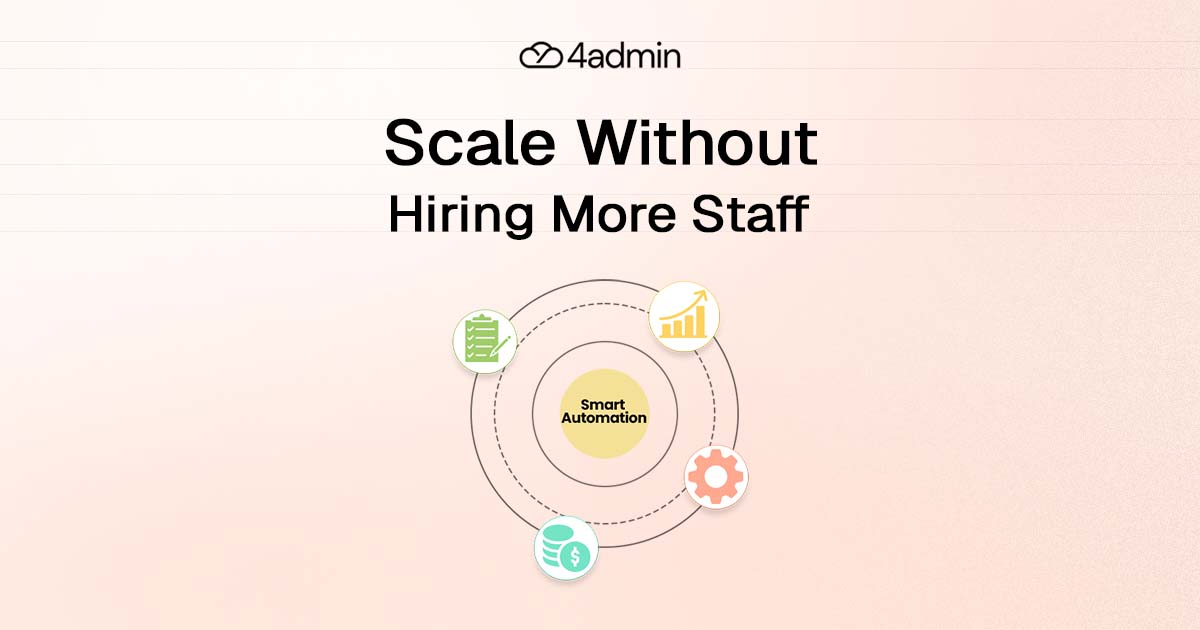
This guide explains how to scale a financial advice firm without hiring, using automation, standardisation, and smarter use of technology to increase capacity, improve operational efficiency, whilst protecting advice quality.
What “Scaling” Really Means for a Financial Advice Firm
Scaling is not limited to just growing assets under management (AUM) or adding new clients.
True scalability means:
Increasing revenue per adviser without increasing workload.
Improving operational efficiency as volumes grow.
Delivering a consistent client experience at a higher scale.
Ensuring compliance and Consumer Duty outcomes.
Growing profit margins steadily and not just turnover.
In short, scaling is about building business infrastructure that allows your firm to grow without becoming slower, riskier, or more expensive to run.
Why Hiring More Staff Stops Working at Scale
Rising Business Overhead
With every new hire, fixed costs tend to increase like salaries, training, management time, software licenses, and compliance oversight. Over time, this erodes economies of scale and puts pressure on margins.
Hence, many firms find that the revenue continues to grow, but profitability does not.
Bottlenecks Don’t Disappear
Adding people does not remove broken processes. It often just spreads inefficiency across more desks.
Manual LoA processing, inconsistent onboarding, and re-keying data still exist. They just happen in parallel.
Capacity Remains Tied to People
When growth depends on individual effort, scalability is limited. If key staff leave or burn out, capacity drops instantly.
This creates fragility rather than resilience.
The Practical Ways to Scale an Advice Firm
Automate Repetitive Tasks and Core Workflows
Automating repetitive tasks is one of the fastest ways to scale without headcount.
High-impact areas include:
LoA processing
Data extraction from provider PDFs
CRM updates
Suitability report preparation
Cash flow modelling inputs
Ongoing review admin
Automation reduces cycle time, removes human error, and frees advisers and paraplanners to focus on advice, not admin.
Standardise Client Onboarding and the Ongoing Experience
Inconsistent onboarding is a hidden scalability killer.
Standardised workflows ensure:
Required information is captured early
Missing data is flagged before delays occur
Every prospective client receives the same quality of service
Admin effort remains predictable as volume increases
Standardisation does not reduce personalisation. It creates a stable foundation for it.
Outsource Non-Core Work Without Losing Control
Outsourcing can help, but only when processes are well defined.
Firms that succeed:
Keep ownership of workflows
Use clear service tiers and responsibilities
Apply quality checks and structured data standards
Integrate outsourced work directly into internal systems
Without this, outsourcing simply moves inefficiency outside the firm.
Use Technology to Expand Capacity and Client Service
The right technology stack expands capacity without adding people.
This includes:
CRM optimisation as the system of record
Back-office automation tools
Workflow orchestration across teams
Digital client experience tools that reduce manual follow-up
When systems talk to each other in harmony, work moves faster with fewer handoffs.
Productise Services for Predictable Delivery
Productised services improve scalability by defining:
Clear service tiers
Fixed deliverables
Standard timelines
Expected client actions
This supports a recurring revenue model, improves forecasting, and reduces decision fatigue for advisers.
We see this approach growing in the current market as more firms move to a fee-based model.
Focus Core Capacity on High-Value Clients
Client segmentation is essential for scale.
By aligning service levels with client value, firms can:
Protect adviser capacity
Improve revenue per adviser
Allocate paraplanning support more effectively
Reduce operational drag from low-fit clients
What Slows Advice Firms Down
Most growth friction comes from the back office, not advice itself.
Common constraints include:
Manual analysis and data entry from provider PDFs
Re-keying data across multiple systems
Inconsistent LoA and onboarding processes
Missing information discovered too late
Advisers pulled into admin to unblock cases
These issues compound as volume increases, quietly limiting scalability.
Why Automation Matters for Scaling Advice Firms
Automation is often misunderstood as cost-cutting. In reality, it creates capacity.
Automation:
Creates output without adding headcount
Enables consistent delivery at higher volumes
Reduces dependency on specific individuals
Protects teams from burnout during growth
Improves operational efficiency and profit margins
Firms that automate early scale faster and with less risk.
Where Technology Helps You Scale
CRM as the Single Source of Truth
A well-optimised CRM ensures:
Clean, structured data
Fewer duplicates
Clear ownership
Reliable reporting on AUM, revenue, and client status
Back-Office Automation to Remove Manual Steps
Back-office automation eliminates time spent:
Reading provider documents
Extracting policy data
Updating multiple systems
Chasing missing information manually
Integration Across Systems to Prevent Duplication
Disconnected tools create hidden workloads.
Integrated systems ensure data flows once, accurately, and consistently.
Digital-First Client Experience Without Added Admin
Digital submission, automated updates, and structured workflows improve the client experience without increasing admin effort.
How to Scale Without Compromising Quality or Consumer Duty
Scaling does not have to mean lower standards.
In fact, standardisation improves quality.
Structured data improves accuracy and audit trails
Fewer manual steps reduce errors
Compliance becomes easier, not harder, at scale
Evidence is easier to retrieve and review
Strong systems support Consumer Duty rather than undermining it.
Removing Back-Office Constraints with 4admin
Back-office constraints are one of the biggest limits on scalability.
4admin focuses on removing those constraints by automating LoA processing, policy data extraction, systems updating and report generation.
Instead of teams manually reading provider PDFs and re-keying data, 4admin:
Extracts structured data from policy documents
Flags missing information early
Centralises LoA workflows
Pushes clean data directly into the CRM
The result is faster turnaround, higher capacity, and consistent delivery without adding staff.
A Practical Checklist for Scaling Without Hiring
Use this checklist to assess your firm's readiness at a glance:
Are LoA processes standardised and automated?
Is CRM data clean, structured, and reliable?
Are onboarding steps consistent across all clients?
Is paraplanning support focused on high-value work?
Are service tiers clearly defined?
Do systems integrate without duplication?
Can the firm handle double the volume with the same team?
If the answer is “no” to several of these, scaling is going to be painful.
Conclusion: Scale the System Before You Scale the Team
Hiring feels like progress, but it is often a short-term fix.
Sustainable growth comes from:
Automation
Standardisation
Smart use of technology
Clear service design
Strong operational foundations
If you want to scale your financial advice firm without hiring, focus first on the system. When the system scales, the team can grow on purpose rather than out of necessity.
FAQs
How can a financial advice firm scale without hiring?
By automating back-office tasks, standardising workflows, optimising CRM usage, and productising services to increase capacity without adding headcount.
What limits growth in advice firms?
Manual processes, inconsistent onboarding, re-keying data, poor system integration, and over-reliance on individual staff.
Can firms grow without adding staff?
Yes. Firms that invest in financial tasks automation and strong business infrastructure often grow revenue and AUM without increasing team size.
What back-office tasks should be automated first?
LoA processing, data extraction from provider documents, CRM updates, suitability report inputs, and onboarding workflows.
Can scaling hurt advice quality or compliance?
Poorly managed growth can. Standardised processes and structured data actually improve accuracy, audit trails, and Consumer Duty outcomes as firms scale.
What is a Letter of Authority?
A Letter of Authority, or LoA, gives permission for a firm or adviser to contact third parties on your behalf. Common uses include pension providers, insurers, and platforms. For Deep Drive Read: What Is a Letter of Authority?
Ready to automate your admin processes?
Learn how you can reduce admin backlog, ensure compliance, and increase capacity.